
Actinic keratosis (AK) may sound complex, but at its core, it’s a skin warning sign caused by long-term sun exposure. At Cryosonic, where we bring advanced skin treatments right to your home, we believe that prevention starts with the everyday choices you make—especially when it comes to photoprotection.
SPF: The first line of defence of your skin. Everyone should use sunscreen that’s broad-spectrum SPF30 every single day, no matter what the weather outside is doing–even cloudy days. If you are outdoors, reapply every two hours and remember to include the ears, neck, and hands.
Another underappreciated component of UV protection comes in the form of clothing. Lightweight long-sleeved clothing, UV-protective sunglasses, and wide-brimmed hats provided better protection for the skin than sunscreen alone. Choose UPF-rated fabrics for added protection.
Educate Yourself: Plan your outdoor time wisely. Since the sun is usually strongest between 10 a.m. and 4 p.m., errands should be done as early in the morning or late in the afternoon as possible if you have to leave home. Your skin can really benefit from a bit of preparation.
Daily skin protection does not have to be onerous. You can divert your odds of actinic keratosis by a wide margin with simple alterations. And if you have already been experiencing changes, then Cryosonic is able to assist in helping to minimise the damage at home.
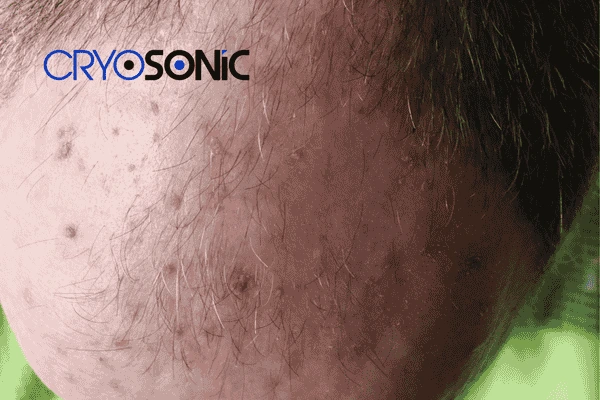
Why Do Some People Develop Actinic Keratosis Even If They Don’t Burn Easily?
You may believe that if you seldom burn, you’re free of danger. But the reality is that actinic keratosis isn’t just due to sunburn; it’s chronic cumulative sun exposure.
Those with darker skin tones, people who tan easily, may not see immediate effects, because UVA reaches the deeper skin layers, it can cause long-term damage to DNA. This damage accumulates over the years without symptoms, resulting in rough, elevated patches of scaly skin that herald AK.
Here at Cryosonic, we have worked with quite a few clients who are shocked to be diagnosed, as they always thought they were not “sun-sensitive.” This risk largely rests with genetics, skin type, and lifestyle, but also where you live.
The bottom line? Everyone, no matter the color of their skin, requires some sort of protection. It is not the immediate response of your skin as it greets the sun today, but how it remembers that relationship tomorrow.
Is Your Daily Sun Protection Routine Enough to Prevent Skin Damage Long-Term?
You wear sunscreen. You pop on your sunglasses. Maybe even a hat. But is your routine enough?
Many people unknowingly fall into the trap of under-protection. Applying sunscreen just once a day, missing key areas, or relying solely on makeup with SPF aren’t enough to protect you against long-term damage like actinic keratosis.
It’s not just about the product, but also about persistence, presence, and thoughtfulness — protection. Do you keep reapplying every few hours? Are you spilling too much (a shot glass’s worth of your body)? Do you use sunscreen in addition to shade and clothing protection?
At Cryosonic, we encourage a layered approach. Think of sun protection as a team sport—sunscreen, clothing, timing, and awareness all working together to keep your skin safe for years to come.
What Role Does SPF Play in Preventing Actinic Keratosis—And Are You Using It Right?
SPF is not just a number on the back of a bottle. It reflects UVA protection only, because the product itself cannot block UVB rays —the main cause of sunburn, as well as a major player in skin cancer and actinic keratosis.
But are you applying it correctly? Most people don’t. To get the full benefit of that SPF 30 or 50, you need to use enough (about two fingers’ worth for your face and neck) and reapply every two hours, especially after sweating or swimming.
Don’t forget about UVA rays either. These age your skin and penetrate deeper. Choose broad-spectrum SPF to ensure you’re covered on both fronts.
At Cryosonic, we often meet clients with AK who believed they were protected, only to discover their routine had gaps. A slight change in how you apply SPF can make a world of difference.
Why Is the Time of Day You Go Outside Just as Important as What You Put on Your Skin?
All day long, the sun does not shine equally. The highest levels of UV radiation occur between 10 a.m. and 4 p.m., so that is also when your skin will be most susceptible.
Going out early in the morning or later in the evening avoids the strongest UV rays, thus reducing the risk of skin problems like actinic keratosis. For those who are often outdoors, observing when you’re in the sun may drastically help.
You might not be able to avoid the midday sun, but simply walking or gardening earlier in the day will benefit your skin.
One of the frequent questions we get from our Cryosonic clients is, ‘What time is best to be outside? —and we always respond: as early or as late as can be.

Are You Mistaking Cloudy Days for Safe Days—And Leaving Your Skin Unprotected?
Clouds might cool the air, but they don’t block UV rays. Up to 80% of UV radiation can still reach your skin on overcast days.
That’s why people often get burned or develop damage on days they least expect it. The lack of heat makes it feel harmless—but your skin is still under attack.
At Cryosonic, we urge our clients to treat every day like a sunny day when it comes to sun care. Make SPF and protection part of your daily ritual, just like brushing your teeth.
Don’t let the weather fool you—actinic keratosis doesn’t take a day off.
What Small Daily Changes Can Reduce Your Risk of Actinic Keratosis Over Time?
Nobody needs a radical departure from regularity to prevent actinic keratosis.
So Here’s What We At Cryosonic Recommend:
- No matter the weather, put on some SPF 30+ every day.
- Put on sun protective clothing, particularly when going out for longer.
- Avoid direct sunlight (shade or umbrellas during peak hours)
- Always perform outdoor activities in the morning or evening.
- Have a skin check for changes or new spots
- Moisturisers containing antioxidants that aid in the repair of minor damage.
These may seem like small actions that you repeat each day, but they form a healthy habit to protect your skin in the future! Prevention is the best medicine, and it all begins at home.
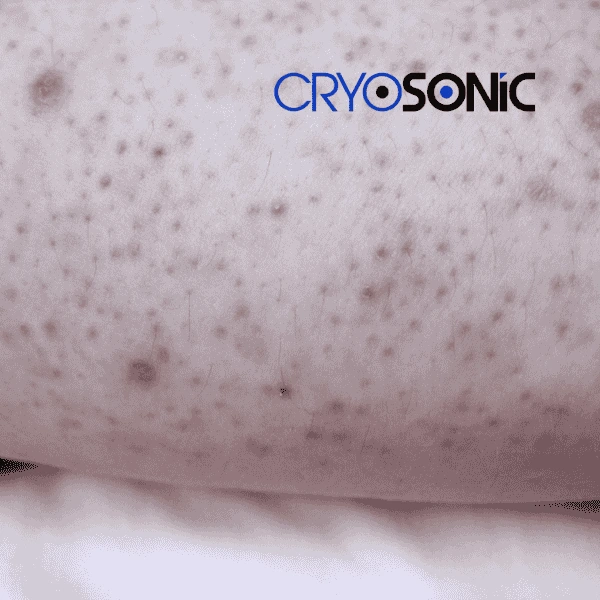
What Would Your Skin Look Like in 10 Years If You Started Daily Photoprotection Today?
How Your Skin Would Look Good in 10 Years If You Started Daily Photoprotection Today
Imagine this: Even Ten Years Later ~ Skin That Is Smooth, Healthy, and Luminous. That is the reason daily photoprotection has a powerful effect.
Today would be the start, and you may be able to obliterate most of the fine lines, pigmentation, sun spots, and rough patches known as actinic keratosis. This means that your skin will age more gracefully and require fewer corrective interventions.
At Cryosonic, we have been able to see firsthand how much difference there is in skin that has received constant protection and normal. By preventing it, you will maintain your skin looking good and also assist in reducing a number of your cancer rates.
So ask yourself: where do you want your skin to go, 10 years from now? While it will only take you a couple of minutes out of your day to ready your skin for healthier and glowier days ahead—and if you ever need us, we’ll be at your doorstep.
FAQs – Daily Photoprotection & Preventing Actinic Keratosis (AK)
Q: Why in Chichester (for example) do some develop actinic keratosis that never seem to burn?
UV rays can still do damage by causing skin cells to go bad, even if you don’t burn. This risk is underestimated for those who tan quickly or have skin of a darker hue. In bright environments such as Chichester, daily UV contact gradually builds up, resulting in coarse, scabby AK spots.
Q: What daily behaviours are actually important when it comes to actinic keratosis prevention?
Consistency is key. To help, wear an SPF 30+ broad-spectrum sunscreen, protective clothing, avoid peak sun hours and moisturise your skin. Daily small habits massively reduce your long-term risk.
Q: Is my sun protection regimen powerful enough to definitely prevent skin destruction in the long run?
Most people unintentionally under-protect. By only applying it once and not reapplying, skipping parts such as ears or neck or even using SPF in your make-up, your skin continuously gets damaged. A thorough regimen encompasses application, reapplication, shade, covering up, and timing.
Q: Why is SPF so important for stopping AK—am I using it correctly?
SPF protects you from UVB rays that trigger actinic keratosis. But it only works fully if applied generously (two-finger rule for face/neck) and reapplied every two hours outdoors. Choosing broad-spectrum SPF ensures you’re also protected from UVA rays that accelerate ageing and deepen cell damage.
Q: Should I avoid going out at certain times of the day to reduce my risk?
Yes—between 10 a.m. and 4 p.m., UV exposure is strongest. Even shifting outdoor tasks to morning or evening significantly reduces risk. Many Cryosonic clients in Chichester plan their gardening, walking, and errands around safer sun times.
Q: Are cloudy days safer, or can they still cause actinic keratosis?
Clouds block heat, not UV rays. Up to 80% of UV still penetrates. This is why many people unknowingly get sun damage on overcast days. Daily SPF is essential—no matter the weather.
For Further Information, Please Call us: 03300 100 392