
In places like gyms, pools, and communal showers, verrucae thrive. These environments are warm, moist, and often shared barefoot. That’s the perfect storm for the human papillomavirus (HPV) — the virus that causes verrucae — to spread.
Verrucae often show up when we don’t pay enough attention to foot hygiene—but the upside is, they’re pretty easy to prevent. A bit of daily care can make a big difference.
Follow these simple but effective tips to avoid them.
- Wear flip-flops or sandals in public areas such as swimming pools and locker rooms.
- Ensure your feet are totally dry, particularly between the toes.
- Keep your toenails clean and cut regularly.
- Keep your towels and socks for personal use only—don’t share them.
- Disinfect the shoes or slippers you wear frequently.
These habits sound simple, but they’re powerful when done regularly. Prevention doesn’t require harsh products or paranoia — just mindfulness. And if a verruca does appear, Cryosonic’s expert team can treat it directly in the comfort of your home.
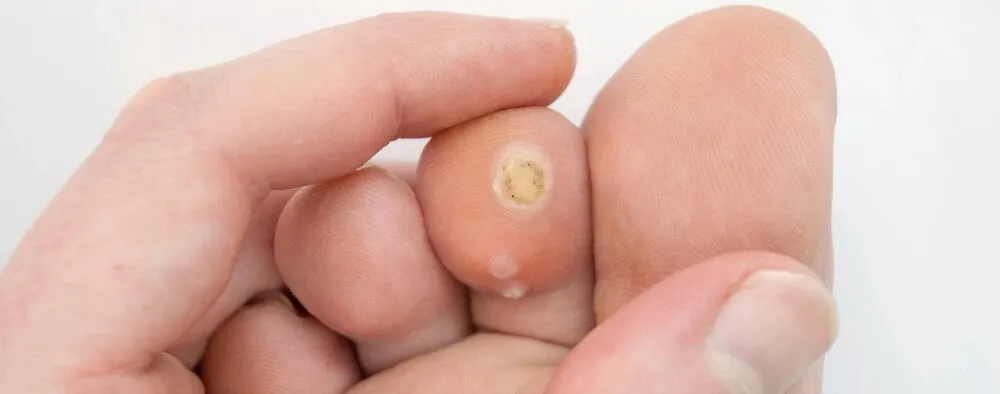
Why Do Verrucae Spread So Easily in Places Like Gyms, Pools, and Changing Rooms?
Verrucae are highly contagious, and unfortunately, communal environments provide everything the virus needs. Damp floors. Bare feet. A revolving door of people. It’s no wonder gyms and pools are typical hotspots.
When the outer layer of your foot is softened from water or sweat, it’s more prone to microscopic cuts — and that’s where the virus sneaks in. The HPV virus can live on surfaces for days, and if your skin barrier is weak, it doesn’t need much time to take hold.
The risk isn’t just from surfaces either. Used towels, socks, and shoes can also carry the virus if shared or reused too soon after exposure.
We always advise clients — especially those using shared facilities regularly — to treat foot hygiene as seriously as hand hygiene. Prevention does start from the ground up.
Are My Daily Foot Hygiene Habits Protecting Me from Verrucae?
You might be diligent with your showers, but are you protecting your feet the right way? Verruca prevention isn’t just about staying clean — it’s about being deliberate.
Ask yourself:
- Do I dry between my toes every time?
- Do I wear footwear in communal spaces?
- Do I change my socks daily — even after short workouts?
- Do I ever share shoes or slippers?
Even the cleanest feet can fall victim if exposed to the virus in the wrong setting. Good hygiene means more than just rinsing off — it’s about reducing moisture, maintaining skin health, and avoiding unnecessary exposure.
At Cryosonic Chichester, we remind our clients during home visits that protecting your feet from verrucae is part of a whole-body wellness mindset. It’s not extra effort — it’s smart self-care.
What Evidence-Based Foot Hygiene Practices Can Help Me Stay Verruca-Free?
Verruca-free living is not about fear, it’s about developing a second-nature protective habit. Here are a few notable habits based on scientific research and podiatric guidance:
- Once they are used, use anti-bacterial wipes or sprays on gym shoes.
- Change up shoes to give time to dry & air out.
- Moisturise to prevent cracking, but do not over-moisturise between toes.
- If you sweat a lot, just apply tea tree oil or antifungal powders.
- Check your feet — treating verruca is much easier (and quicker) if dealt with as soon as possible.
Cryosonic’s mobile treatment service also ensures early-stage verrucae are handled quickly — reducing the chance of spread or discomfort. You don’t need to travel to a clinic. We bring clinically proven cryotherapy treatments to your doorstep, discreetly and effectively.
Can One Missed Shower or a barefoot walk in a Locker Room Lead to a Verruca?
Short answer? Yes — it can.
It only takes one moment of contact with a contaminated surface for HPV to enter through tiny, invisible cuts or softened skin.
That barefoot walk across a changing room or that quick shower without sandals may seem harmless — but for many, it’s the beginning of a verruca.
It’s not about panic — it’s about awareness. If you’re consistently mindful, one slip-up won’t always result in infection, but why take the chance?
At Cryosonic Chichester, we regularly treat clients who are shocked by how “one quick walk across the pool” resulted in stubborn verrucae.
That’s why we encourage protective habits, not perfection. It’s all about tipping the odds in your favour.
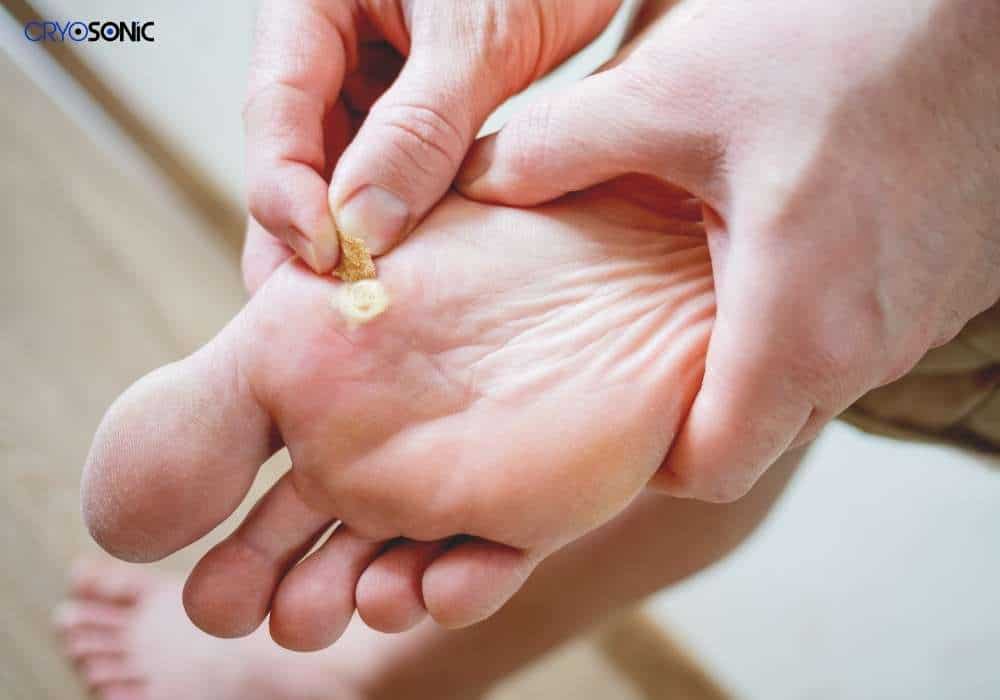
How Do You Talk to Teens or Kids About Foot Hygiene Without Sounding Overprotective?
Talking to young people about verrucae can be tricky. You don’t want to sound dramatic, but you also want them to take hygiene seriously — especially in schools, sports clubs, or shared showers.
Instead of scare tactics, try:
- Explaining verrucae as a skin infection, not something dirty
- Framing prevention as a way to stay comfortable and active
- Using humour — “Verrucae love stinky feet!”
- Showing them a fabulous pair of flip-flops for gym class or the pool
- Letting them help choose foot products — ownership builds habits
At Cryosonic Chichester, we often help families with treatments for children and teenagers, and we’re used to easing their nerves. We always explain things in a way that makes sense — no embarrassment, no fuss—just practical solutions at home, where kids feel most comfortable.
Can You Still Avoid Verrucae When You Are Getting Out Amongst Others a lot?
Yes — if there are shared showers, locker rooms or gyms in your life then you can still avoid trotzdem getting verrucae. It means calibrating your risk, not avoiding life.
Here’s how:
- Many of you will know that each day, different individuals use the equipment that definitely needs wiping down, so remember to take your anti-bacterial wipes in your gym bag.
- Flip Flops (waterproof too, bring pair of sandals just for the shared showers)
- Make sure to dry your feet very well, particularly between the toes
- In your locker or bag for a small foot shower
- Sock and shoe turns, never to be washed, not again
Never be uncertain in situations where you feel a bit fuzzy or notice something that appears to possibly be out of place. Another utility Cryosonic does is minimising surgical checks which aims to find and treat cancerous tissue as early as possible. We treat home verruca services, so your plan does not end at our clinic, and your health care stays on course.
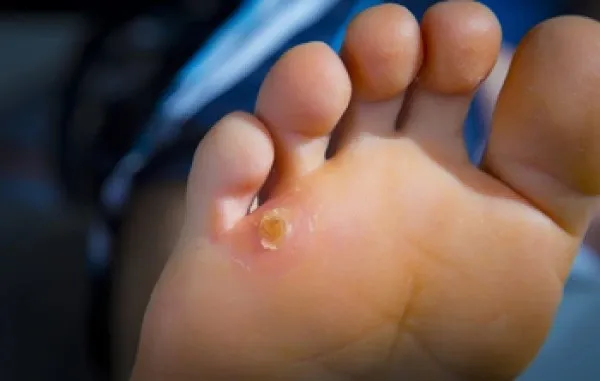
What Are the Most Common Mistakes People Make That Lead to Verruca Infections?
Many of the clients we treat at Cryosonic have good hygiene practices, but minor oversights let verrucae through.
These are the most frequent mistakes:
- Running barefoot around shared spaces once
- Not drying between the toes
- If you are even doing something as short as borrowing the shoes, sharing
- Reusing socks, especially after exercise
- Not paying attention to the idea that forming expertise is a skill that develops gradually.
Verrucae may flourish even when you are doing everything right. Identifying the common traps is a way to avoid them. And if one does arise, in Cryosonic it can be dealt with rapidly — without you needing to step outside the front door.
What Would Change If Shared Facilities Took Verruca Prevention Seriously?
If you walked into a gym, school, or leisure centre today with hygiene truly in mind, then tell us how many of them would be discussing verrucas while tending to their feet.
Just imagine the difference a couple of changes can make to this.
- Gentle nudges to wear flip-flops
- Regularly cleaning the floors of the shower/changing room
- Free foot wipes or sprays for all
- Quick-dry non-slip mats assure safety and hygiene at all times
- Even staff trained to look out for early signs of infection
It is not about making clinics out of shared spaces; instead, it is about normalising foot care as we have done with hand hygiene.
We believe in being role models here at Cryosonic Chichester. Even the smallest steps in hygiene culture can help protect your studio, whether you run one or go to one! And if you ever feel like facilities aren’t doing enough, look after yourself — and get in touch with Cryosonic for professional, discreet treatment at home.
FAQs: Foot Hygiene Protocols & Verruca Prevention in Shared Environments
Q: Why does this cause thousands of people to be affected with verrucae, especially in gyms and leisure centres in Chichester, rather than private home bathrooms?
However, gyms, pools, and even changing rooms in Chichester are shared environments where hundreds of people naturally congregate daily — all barefoot on the same damp surfaces. These settings are cosy and humid all day, which means that HPV — the virus responsible for verrucae — survives there far longer than it would at home. Home bathrooms, by contrast, dry quicker and are less well-trodden: a poorer site for a virus-fest than the public conveniences. Not that your home is cleaner, just that communal facilities are the perfect breeding ground for the virus.
Q: Can verrucae form even if I have excellent personal hygiene practices?
Yes, even people with very high hygiene standards can still develop a verruca if their feet come into contact with HPV in the right conditions. Personal hygiene reduces risk tremendously, but it can’t completely eliminate exposure if you are regularly in communal settings like gyms, swim clubs, or martial arts centres around Chichester. The virus only needs a tiny break in the skin barrier or softened skin from moisture to enter. This is why prevention is about combining hygiene with smart habits, not hygiene alone.
Q: Will verrucae spread more quickly in places that are humid, like Chichester?
Because humidity softens skin and makes it more vulnerable to microscopic cuts, which can create a path of least resistance for HPV. The Chichester climate alone does have a part to play in verrucae, but with so many swimming pools, beaches, and water sports available locally, there is more opportunity for people to walk barefoot in damp areas. This may lead to more opportunities for viral exposure, particularly due to busier public facilities in warmer months.
Q: Is it true that using someone else’s shower at home can lead to verrucae?
It is possible, although less common than in public spaces. If someone in your household has a verruca and regularly showers barefoot, HPV can linger on the shower floor long enough for another family member to pick it up. That said, home surfaces dry out more quickly and don’t have the constant flow of traffic seen in places like Chichester sports centres. Still, wearing shower shoes and keeping shared bathrooms clean is a sensible precaution, especially if a family member is already affected.
For Further Information, Please Call us: 03300 100 392